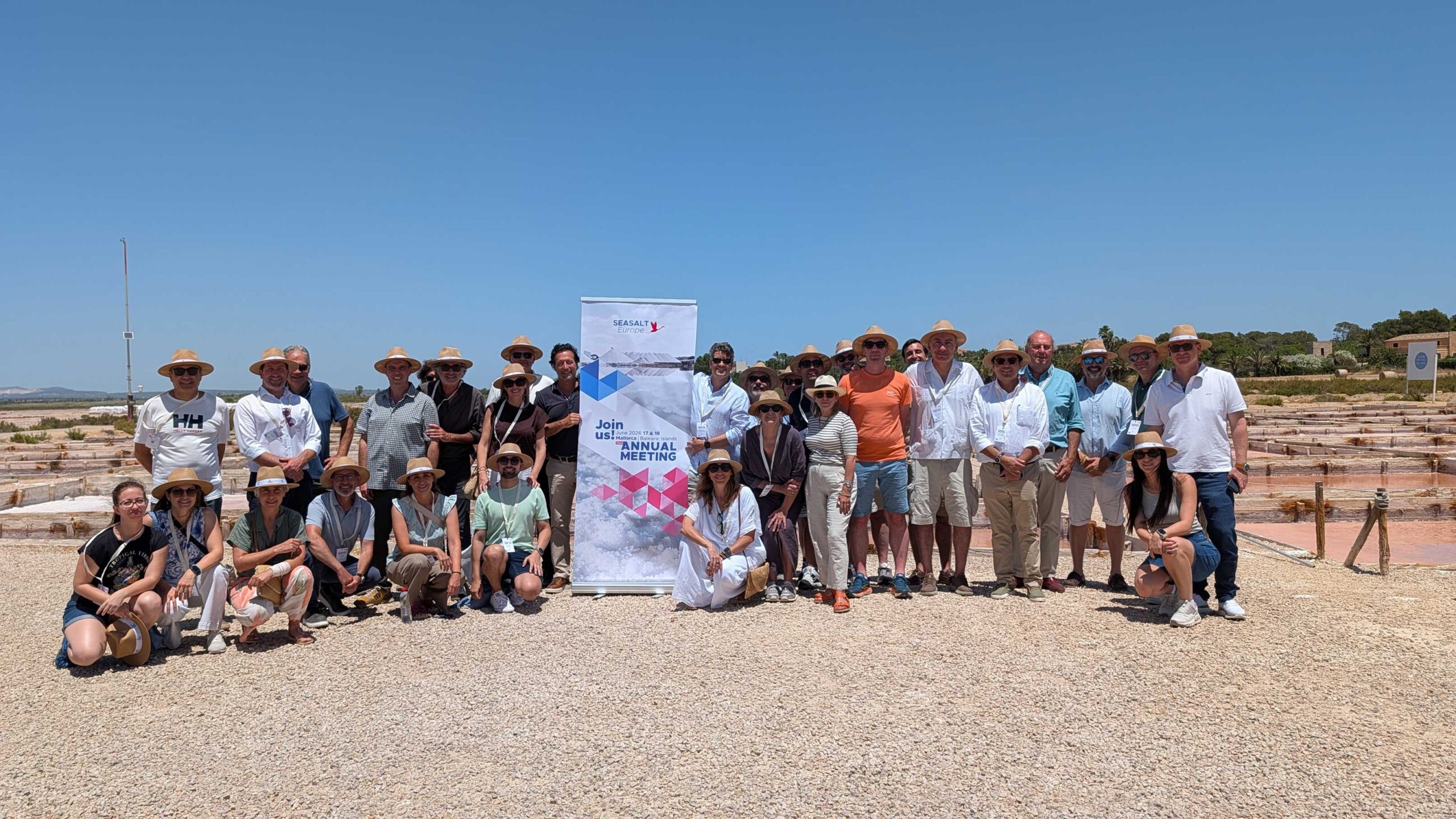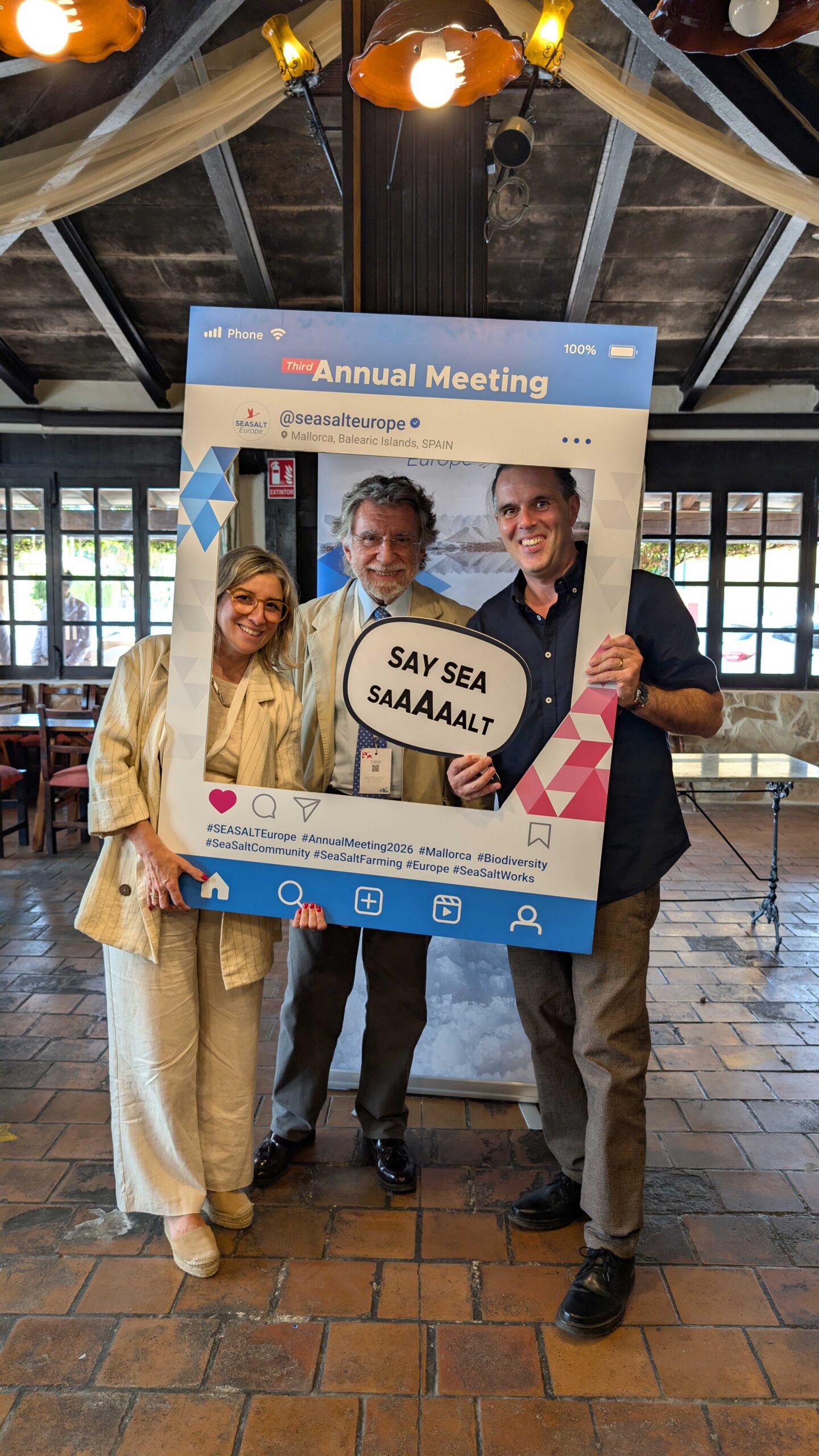
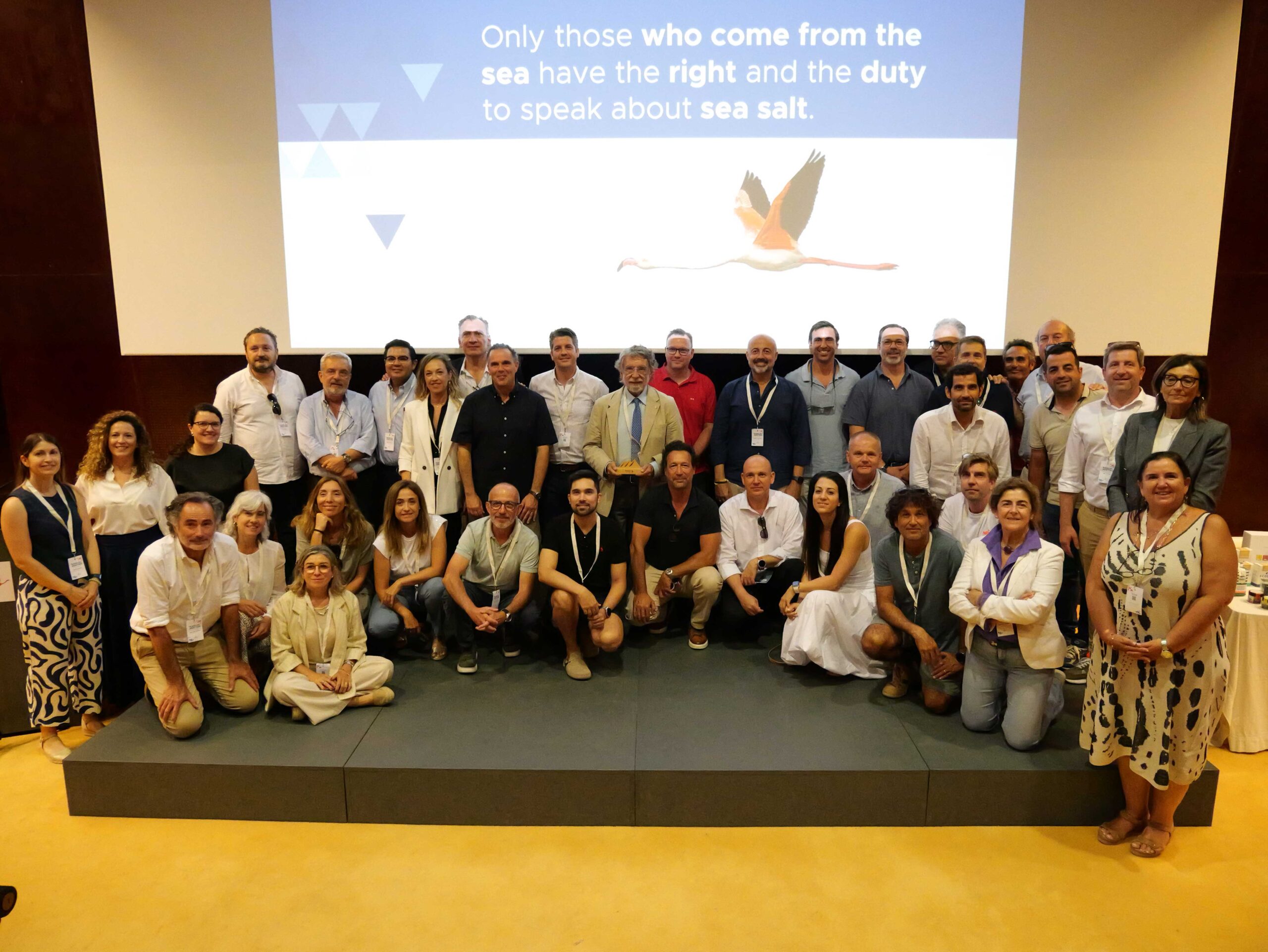
SEASALT Europe held its Third Annual Meeting on 17 and 18 June 2026 in Mallorca, Balearic Islands, bringing together sea salt producers, members, institutional representatives and sector experts for two days of exchange, reflection and collaboration around the present and future of European sea salt.
The meeting brought together salt producers and representatives from seven countries: Spain, Portugal, Croatia, Belgium, Mexico, Sweden and Cyprus, reflecting the international character of the Association and the shared challenges faced by sea salt producers across different territories.
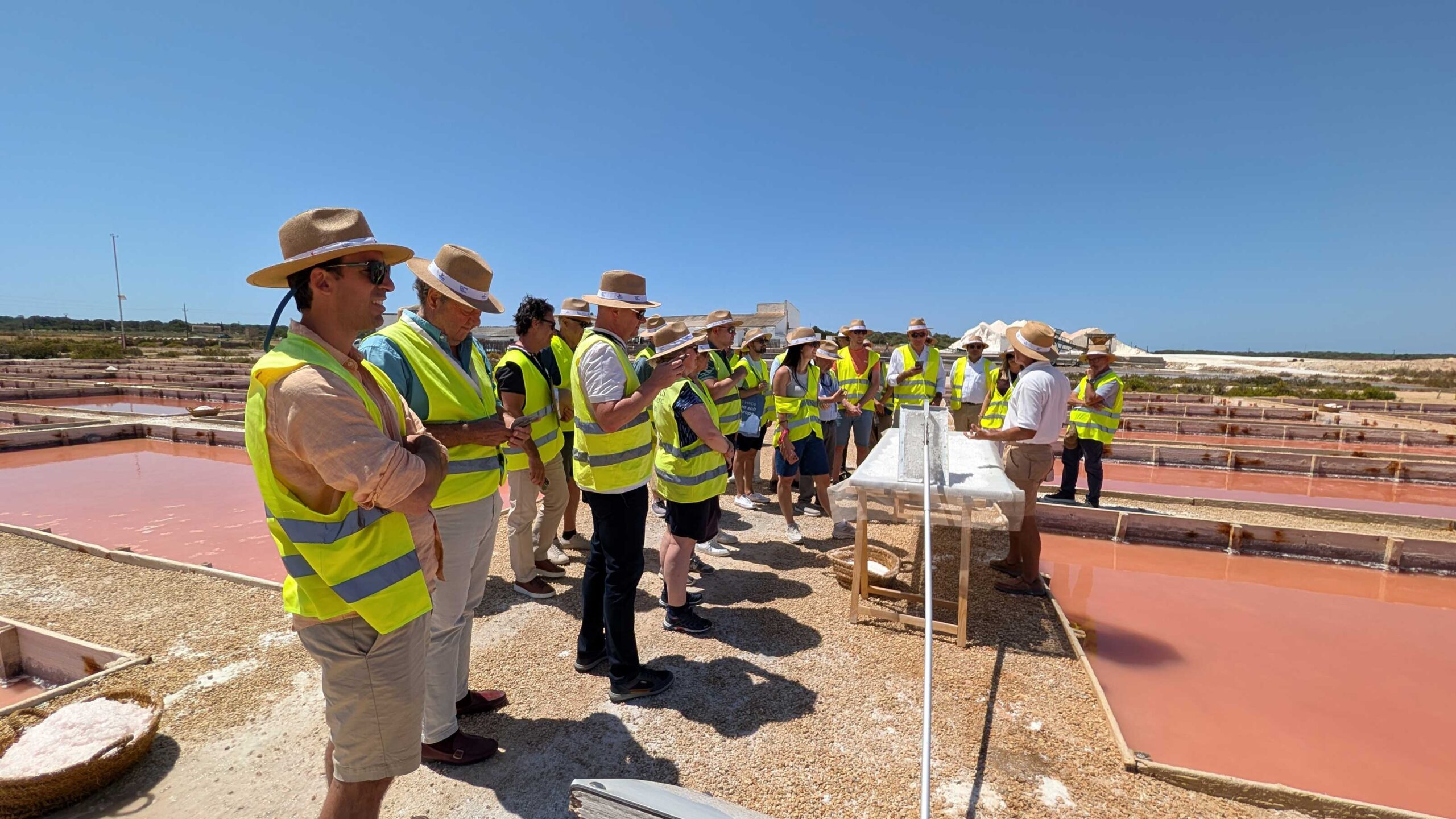
Hosted by Salinas de Levante, the programme offered participants the opportunity to discover first-hand the unique landscape and production environment of Salines d’Es Trenc, one of Mallorca’s most emblematic sea saltworks. Members took part in a guided visit to the salt flats and production facilities, where they learned more about the history of the saltworks, the production process and the close relationship between sea salt production, coastal landscapes and biodiversity. The day continued with the SEASALT Europe General Assembly and a networking dinner, strengthening the ties between members of the international sea salt community.
The second day was dedicated to the SEASALT Europe Institutional Open Day, held at the Cabrera Interpretation Centre in Colònia de Sant Jordi. The session began with a presentation by Salinas de Levante, host member of this year’s Annual Meeting, who introduced participants to the special character of Salines d’Es Trenc and to the company’s work in a setting where salt production, landscape, tourism, tradition and environmental value come together.
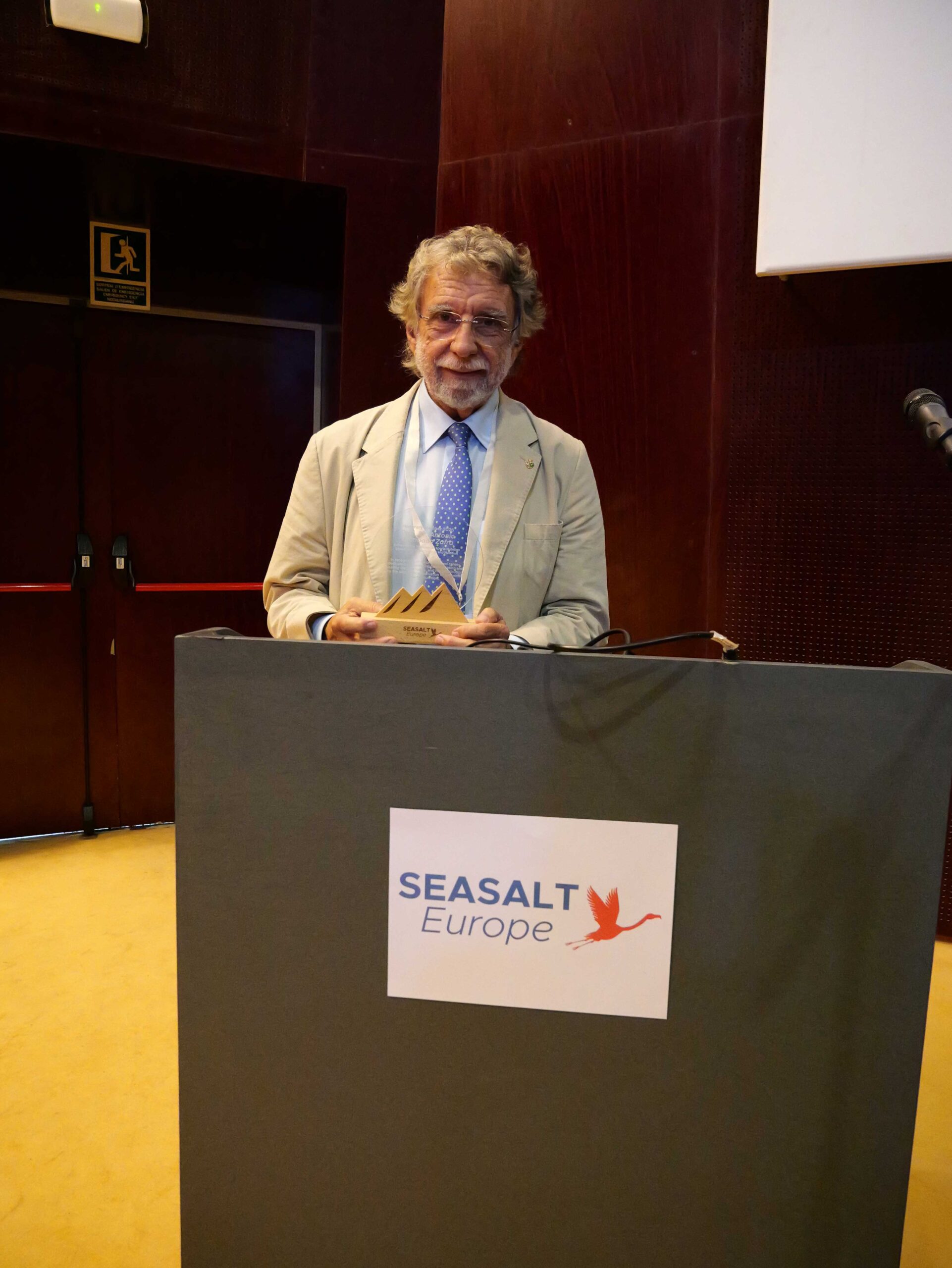
One of the highlights of the Open Day was the technical conference by Dr Antonio Escribano Zafra, a Spanish physician specialised in endocrinology, nutrition and sports medicine, with extensive experience advising organisations such as the Spanish National Football Team. His intervention focused on nutrition, health and the role of salt within the human diet, offering a scientific and balanced perspective on a product that remains essential for life when consumed responsibly.
During the event, Dr Antonio Escribano Zafra was also announced as SEASALT Europe Honorary Member 2026, in recognition of his professional career dedicated to promoting healthy eating and healthy lifestyle habits, and for his contributions to the biochemical evaluation of salt within human nutrition.
Local media also echoed his participation, highlighting his defence of salt as a necessary product and his reflections on the need to avoid excessive demonisation of salt consumption.
The Open Day also included a contribution by Lea Bauer, Regulation Consultant at IFOAM Organics Europe, who addressed the EU organic regulation and its ongoing review process. This was followed by a presentation of SEASALT Europe’s 2025–2026 activities, highlighting the work carried out by the Association over the past year to defend the interests of sea salt producers, strengthen its technical agenda and promote the recognition of sea salt within the European regulatory framework.
The event welcomed the support and presence of institutional representatives, including Pilar Amate, Councillor for Economic Promotion at the Consell de Mallorca, and Alfonso Gómez, Director General for Industry of the Government of the Balearic Islands. SEASALT Europe was also pleased to count on the presence of representatives from key organisations such as Intereco, represented by its President, Regina Monsalve.
Their attendance reflected the growing interest in sea salt as a product linked not only to food and gastronomy, but also to sustainable production, coastal heritage, biodiversity and the blue economy.
Throughout the meeting, participants shared experiences and perspectives on the challenges facing the sector: the protection of traditional sea salt production, the recognition of saltworks as valuable coastal ecosystems, the role of sea salt in European food culture and the need to preserve salt-making heritage for future generations.
The Open Day concluded with closing remarks by Gonzalo Díaz Caicoya, President of SEASALT Europe, who underlined the importance of cooperation, technical work and shared representation to strengthen the voice of sea salt producers at European level. The programme ended with a networking lunch at El Rancho Picadero restaurant in Palma, continuing the spirit of exchange and collaboration in a more informal setting.
The Third Annual Meeting in Mallorca reaffirmed SEASALT Europe’s mission to represent, connect and give visibility to sea salt producers across Europe and beyond. It also highlighted the importance of working together to defend a product deeply rooted in maritime culture, natural landscapes and sustainable coastal activity.
SEASALT Europe would like to express its sincere thanks to Salinas de Levante for its warm hospitality, to all speakers and institutional representatives for their valuable contributions, and to all members and participants who made this year’s Annual Meeting a memorable and meaningful gathering for the international sea salt community.