Salt pans and migratory birds are more connected than most people realize. Every October, World Migratory Bird Day turns global attention to the journeys millions of birds make between breeding and wintering grounds — and along many of Europe’s coastlines, some of the most important resting points on that journey aren’t nature reserves in the way we usually picture them. They’re sea saltworks: working salt pans, still shaped by sun, wind and centuries of tradition.
What Is World Migratory Bird Day?
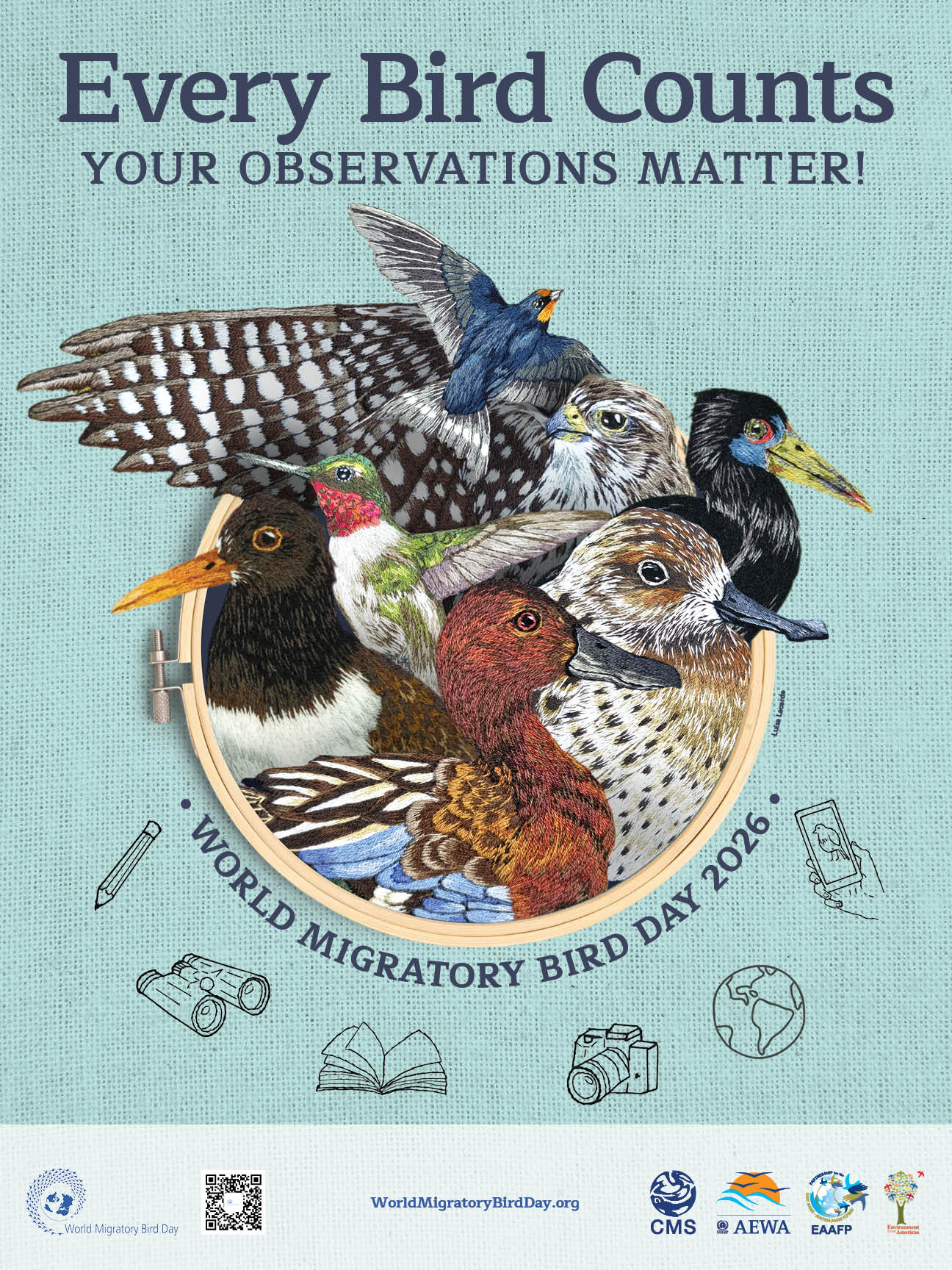
World Migratory Bird Day is an international awareness campaign held twice a year, in May and October, to highlight the need to conserve migratory birds and the habitats they depend on. The 2026 edition falls on October 10, and this year’s theme, “Every Bird Counts – Your Observations Matter,” puts the spotlight on community science: the idea that ordinary birdwatchers, simply by recording what they see, contribute real data on migration timing, species distribution and population trends. It’s a fitting theme for sea saltworks, which are often watched and cared for by the same small teams, season after season.
Why Salt Pans and Migratory Birds Go Together
The reason is mostly about food and water depth. Salt production works by moving seawater through a series of shallow ponds so it gradually evaporates — and those same shallow, mineral-rich waters happen to be ideal feeding conditions for wading birds. The ponds host large populations of brine shrimp and other small invertebrates, an abundant, easy-to-reach food source that many species can’t find in deeper natural wetlands nearby.
Because sea saltworks are usually calm, shallow and only lightly disturbed compared to open coastline, they also function as safe stopover sites — and, for some species, breeding grounds too.
Species You Might Spot at a Sea Saltworks
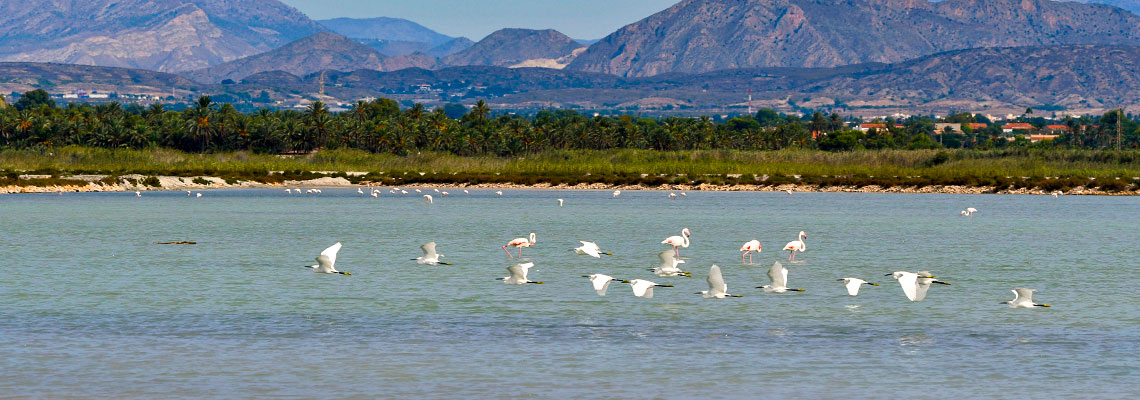
The exact species vary by region and season, but sea saltworks across Europe’s coasts regularly attract greater flamingos, black-winged stilts, avocets, various species of tern and gull, herons, egrets, and — especially during spring and autumn migration — large mixed flocks of sandpipers and other small waders passing through on their way further north or south.
How Sea Saltworks Help Protect These Habitats
Traditional salt production and bird conservation tend to sit well together. Many sea saltworks across Europe are already recognised for their ecological value — designated as Ramsar wetlands of international importance, or protected under the EU’s Natura 2000 network — precisely because the low-intensity, seasonal rhythm of salt harvesting doesn’t compete with the birds that share the same ponds. Keeping water at the right depth for salt production, it turns out, is often the same thing as keeping it at the right depth for feeding birds.
How to Get Involved
In the spirit of this year’s theme, you don’t need to be a scientist to contribute. Recording what you see — through a local birdwatching group, an app like eBird, or simply a notebook by the window — genuinely feeds into the data researchers use to track migration. If there’s a sea saltworks, wetland or coastal nature reserve near you, October is a good time to visit: many hold public events around World Migratory Bird Day, and autumn migration is often when the variety of species is at its richest. Details on the day itself are available at the official World Migratory Bird Day website.
Explore more
Curious about the sea salt produced across Europe’s coastlines — many of them shared with the birds above? Visit our Members directory to see individual profiles.